Planning a holiday party in an assisted living setting isn’t like planning any other event. You’re working with guests who might have mobility issues, hearing or vision challenges, dietary restrictions, and energy levels that ebb and flow throughout the day. But that doesn’t mean the party can’t be genuinely fun—it just means you need to think a little differently about what makes a celebration work.
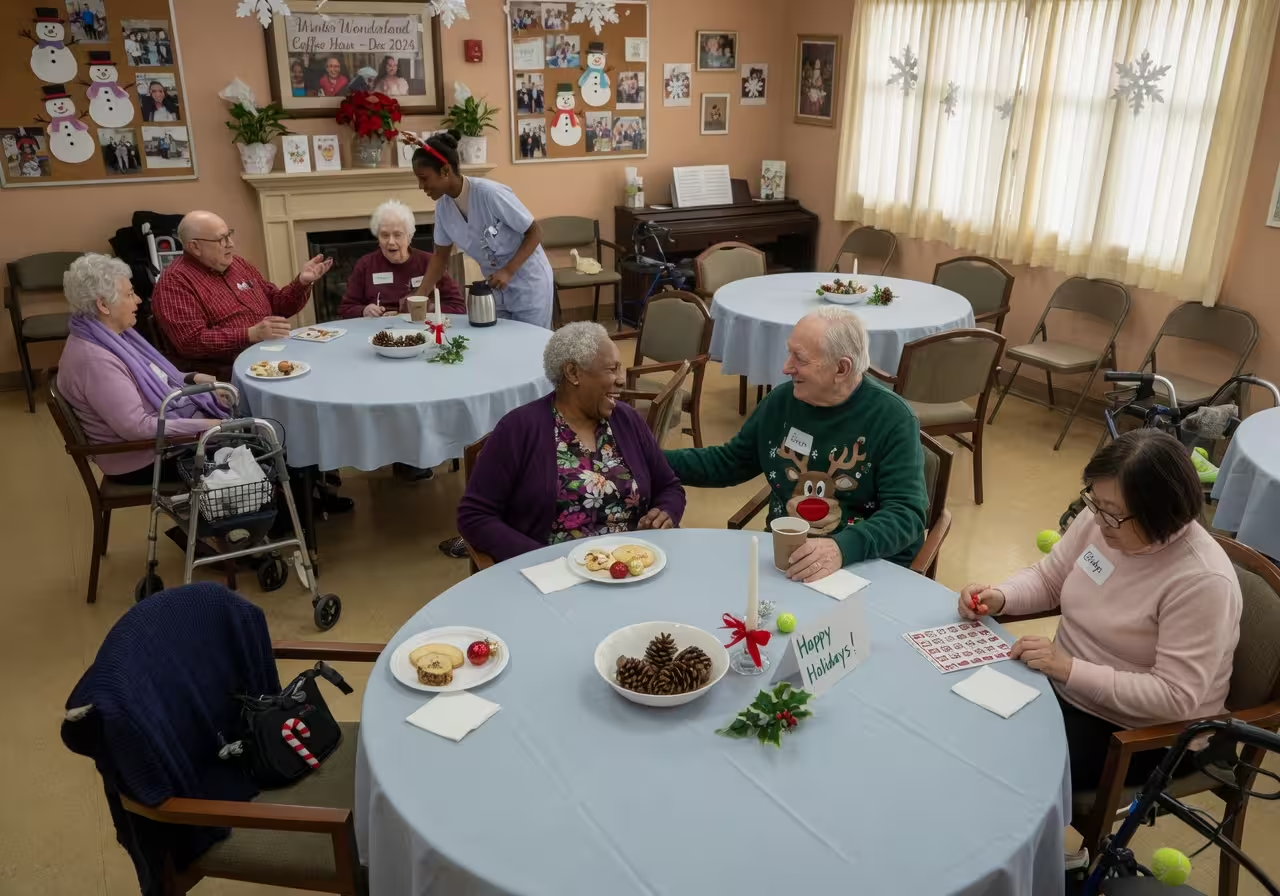
The best senior parties lean into familiarity, comfort, and small moments of connection rather than spectacle. You want seated activities, music people actually know, and groups small enough that everyone feels included. Six to eight people per cluster keeps the noise manageable and the interaction real.
One note before the ideas: these work in an assisted-living common room, but most also adapt for a family hosting an older parent or grandparent at home, or an active independent-senior group at a community center. The dial you adjust is mobility and energy—a 55-plus crowd that’s still spry can stand for the scarf dance and skip the rest breaks, while a memory-care group needs everything seated and slow. If your event mixes generations, pair this with our family party ideas for all ages.
Start with seating and sound adjustments
Before you think about tinsel or cookies, think about chairs. Round tables work better than long rectangles because everyone can see each other without craning their neck. Limit each table to four chairs so staff can tuck wheelchairs in close without creating a traffic jam. And if you’re using music—and you should—keep it at conversation level. A single small wireless speaker beats a booming sound system every time. For a bigger facility-wide event, don’t crank one big system louder; instead set up a few small clusters around the room, each with its own quiet speaker and activity, and let residents rotate at their own pace.
One trick that makes a surprising difference: put a small tabletop microphone at each table for sing-alongs or announcements. A decent clip-on or tabletop one runs around $25. It means people with hearing aids don’t have to strain, and softer voices actually get heard.
Idea 1: Classic carol sing-along with lyric sheets
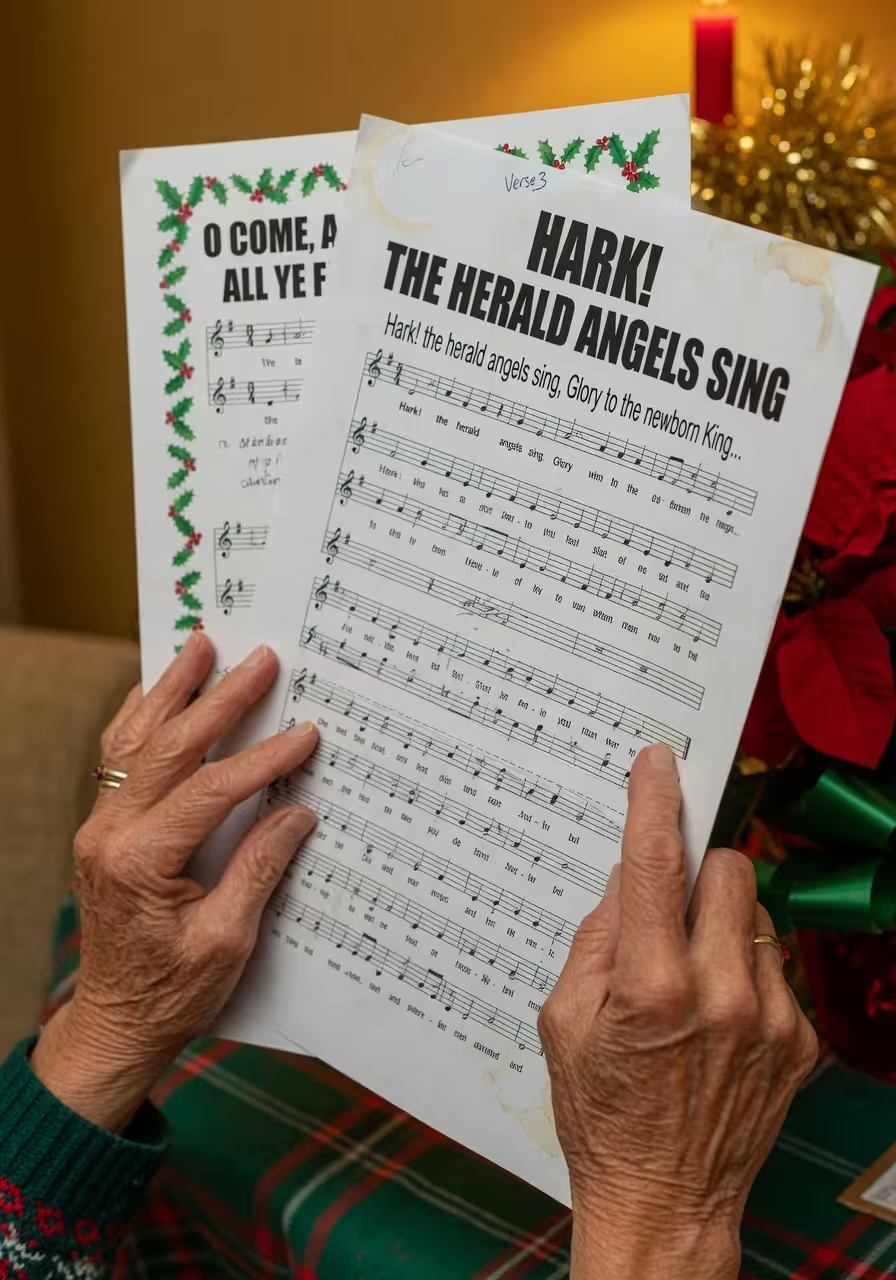
Print out large-font lyric sheets—18-point minimum—for ten to twelve familiar songs like “Jingle Bells,” “Silent Night,” and “Deck the Halls.” Use a piano, guitar, or even an online karaoke track, but slow the tempo down by about 20%. Rushing through verses leaves people behind. Since a senior community is rarely all one faith, fold in a couple of non-Christmas options too—a Hanukkah song, a secular winter tune—so nobody sits out their own holiday.
One staff member leads from the front while another walks the room to help anyone who wants to stand for a verse or two. Don’t force participation. Some folks just want to listen, and that’s fine.
Idea 2: Holiday music bingo
This is bingo with a twist. Instead of numbers, your cards feature 24 holiday song titles. You can find free printable versions online and customize them. Play 30-second clips from a holiday playlist and let people mark off songs as they hear them.
Winners get a wrapped peppermint, a small pack of tissues, or a holiday-scented hand lotion from the dollar store. Cost per person: under a buck. Keep the games seated and unhurried so everyone can join at their own pace.
Idea 3: Seated scarf dance
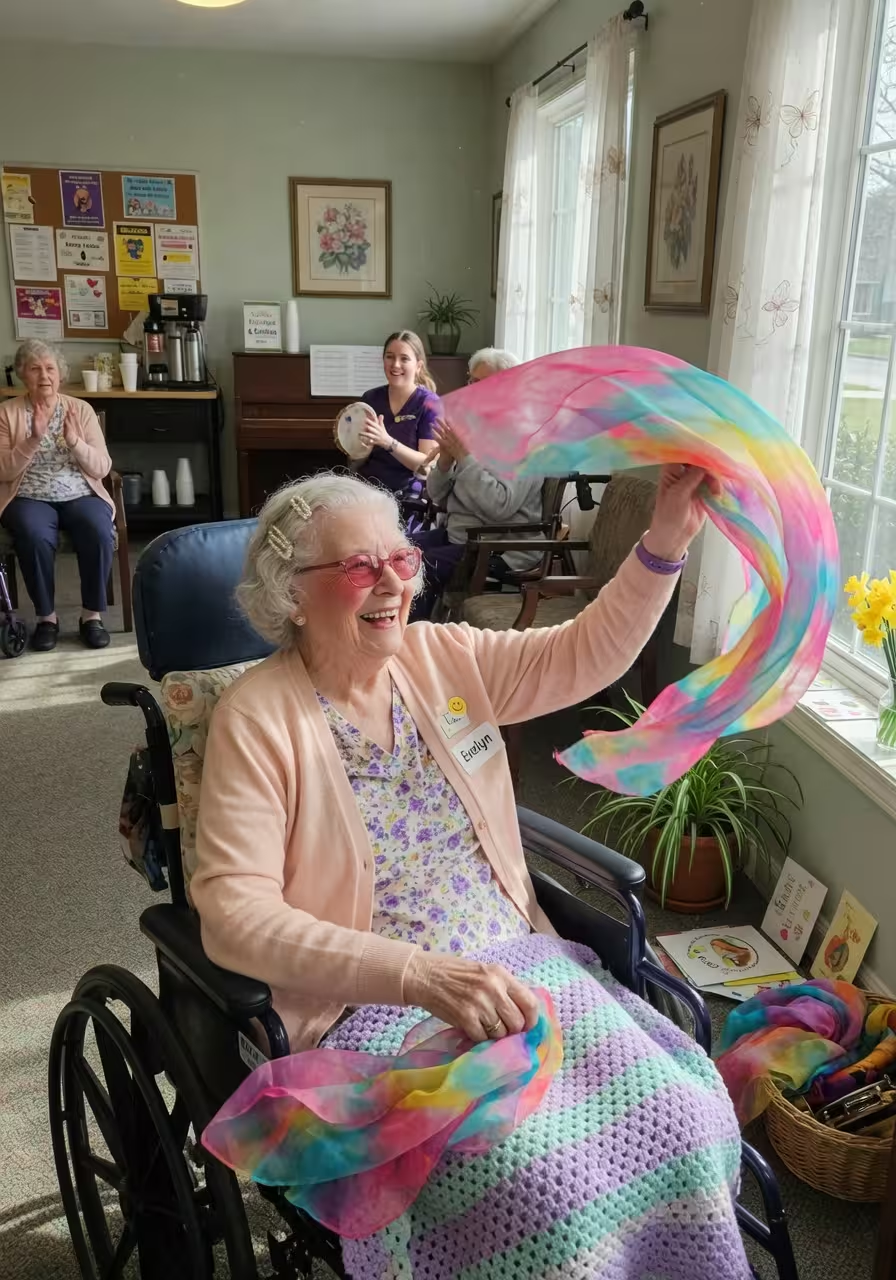
Hand each resident a lightweight chiffon scarf in red, green, or gold—a party-supply store sells packs of twelve for around $8. Play upbeat instrumental tracks like “Sleigh Ride” or “Jingle Bell Rock” and cue simple arm movements: waving overhead, circling the scarf in front, swaying side to side.
Keep sessions to ten minutes with built-in rest breaks. This isn’t aerobics—it’s gentle movement set to familiar music, and it gets people smiling without wearing them out. With a more active, independent group, the same routine works standing, holding the back of a chair for balance.
Idea 4: Memory lane photo slideshow
A few weeks before the party, ask residents (or their families) to submit one or two photos from past decades—holidays, family gatherings, old neighborhood scenes. Load 20 to 25 images into a simple slideshow set to soft instrumental music and run it on a large screen or TV.
Pause after each image for brief comments. “That’s my mother’s kitchen in 1958.” “We always had the tree in that corner.” This works especially well in the late afternoon when energy naturally dips and people appreciate a quieter activity.
Idea 5: Tabletop ornament assembly
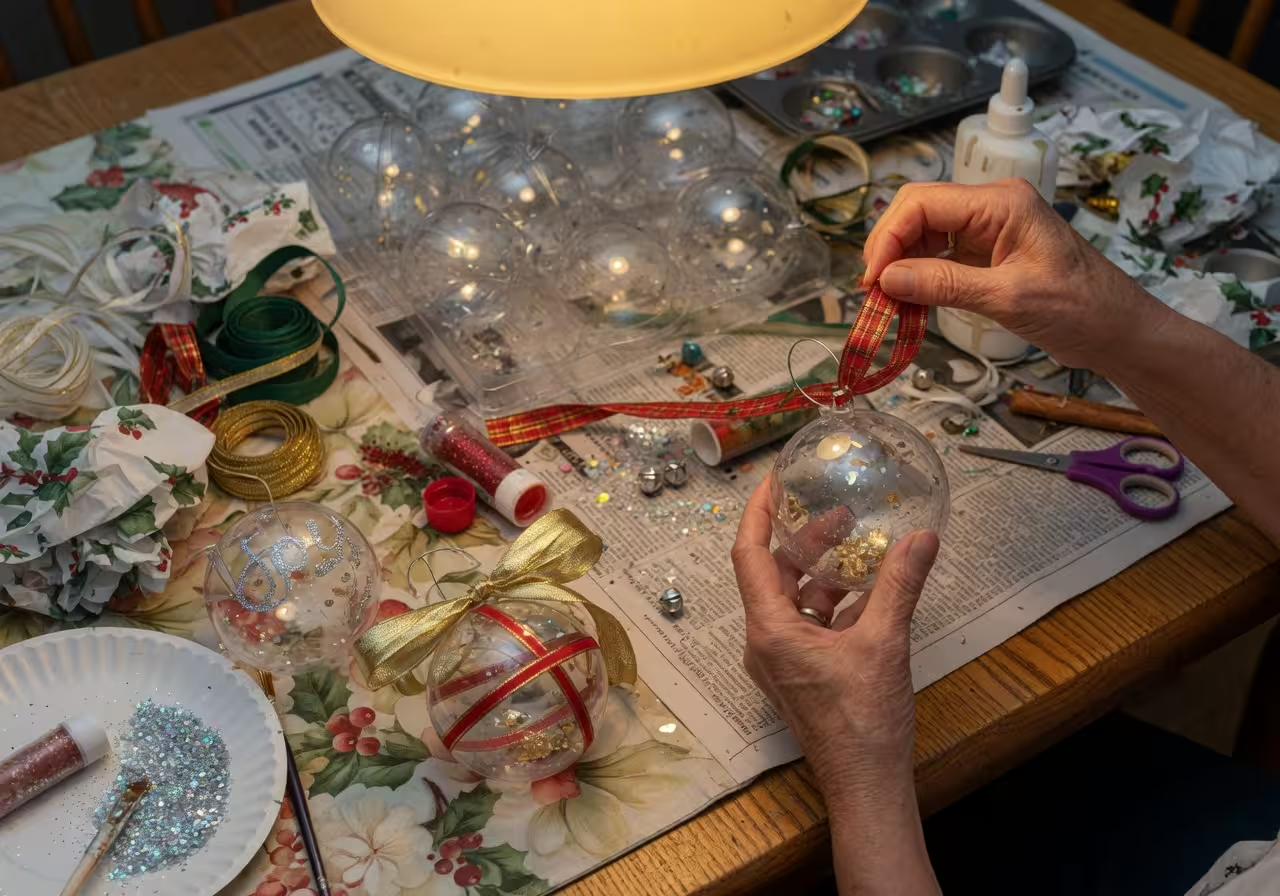
Provide pre-strung clear plastic ball ornaments (a craft store sells packs of six for about $5) and set out bowls of ribbon scraps, glitter glue pens, and vinyl stickers. Residents add three or four items per ornament—no rules, no pressure. We keep fillable ornaments and balls in our shop if you want a set of plain ones ready to decorate.
Cost runs about $1.50 per person, and finished ornaments can hang on a small tabletop tree in the common area. They also make a lovely take-home favor—families love these as keepsakes.
Idea 6: Cookie decorating station
Buy a dozen sugar cookies from the grocery bakery—nothing fancy—and a few tubs of vanilla frosting. Set out small dishes of crushed candy canes (put them in a zip-top bag and tap with a rolling pin) and colored sprinkles.
One cookie per person keeps sugar intake reasonable and cleanup simple. Use paper plates and wet wipes. Done in twenty minutes.
Idea 7: Non-alcoholic holiday punch tasting
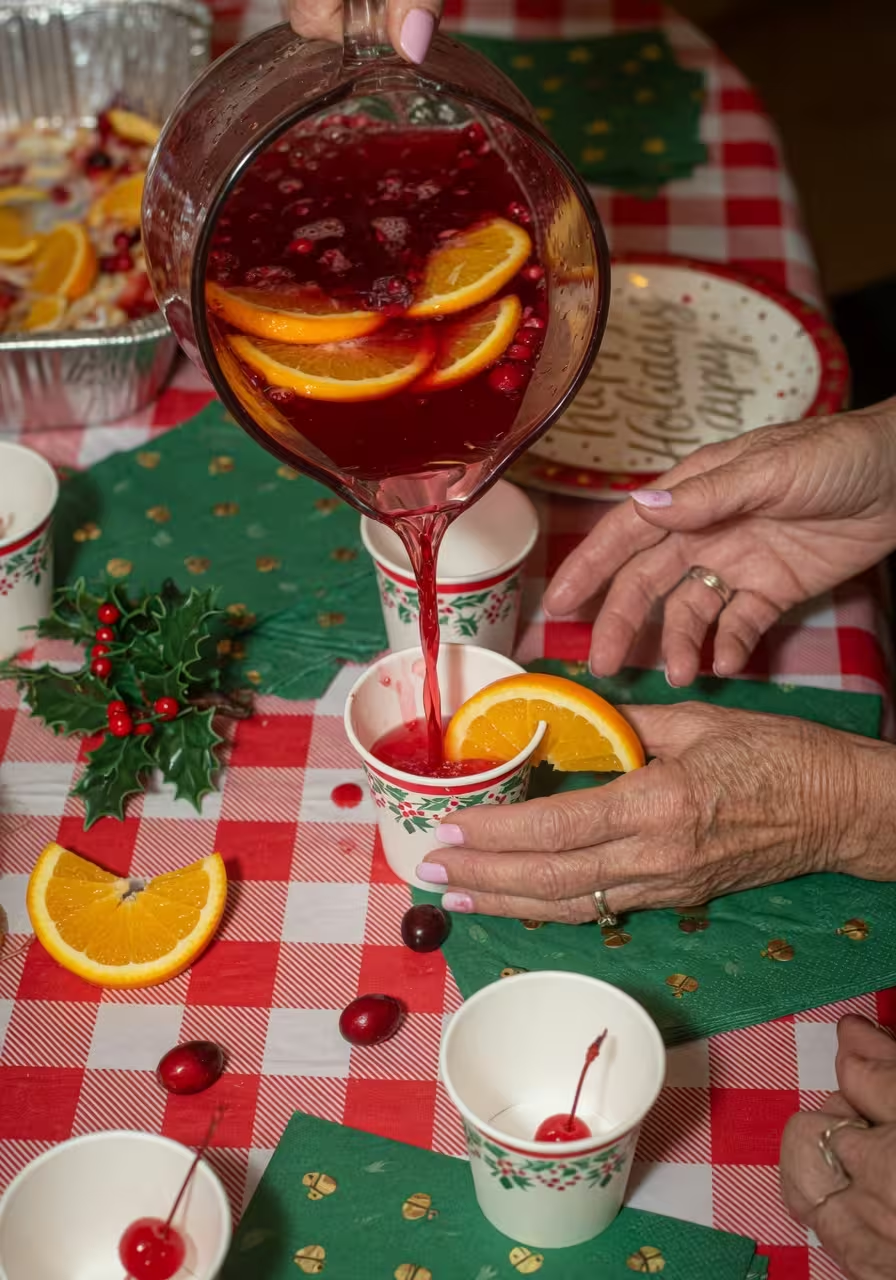
Prepare two pitchers: one with cranberry juice and ginger ale (2:1 ratio), another with apple cider, a cinnamon stick, and orange slices. Serve in small paper cups so residents can sample both without committing to a full glass.
Label ingredients clearly—anyone on blood thinners needs to know about cranberry, and diabetics need the sugar info up front. Small paper cups keep portions easy to manage, and you’ll find cups and glasses in our shop if you need a batch for a bigger room.
Idea 8: Gift-wrapping demonstration
Show a five-minute online how-to clip of simple box wrapping using pre-cut paper and stick-on bows. Provide one small box and supplies per table so participants can wrap a donated item for the facility’s giving tree.
This works because it’s low-pressure, useful, and gives people something tangible to contribute. Nobody’s judging the tape job.
Idea 9: Holiday word scramble game
Print 12-word puzzles using terms like “mistletoe,” “eggnog,” “nutcracker,” and “evergreen.” Give each table a three-minute timer and a couple of pencils. Offer large-print answer keys so nobody feels stuck if they finish early or just want to skip ahead.
You can generate free printables with any online puzzle-maker tool in a couple of minutes.
Idea 10: Gentle chair yoga cool-down
Lead five seated stretches focused on neck, shoulders, and wrists while playing soft instrumental music. Use cue cards with stick-figure drawings so residents can follow along even if they can’t hear every instruction.
This is a nice palate cleanser between activities—not a workout, just a chance to move a little and reset.
Idea 11: Resident-led story circle
Ask two or three volunteers ahead of time to share a short holiday memory from their own life. Limit each story to two minutes and pass a small handheld mic. Record the session on your phone so families can receive an audio file or transcript later.
People love this. It gives residents a stage, it sparks conversation, and it often leads to unexpected connections—”Oh, I grew up three blocks from there!”
Idea 12: Indoor string-light decorating
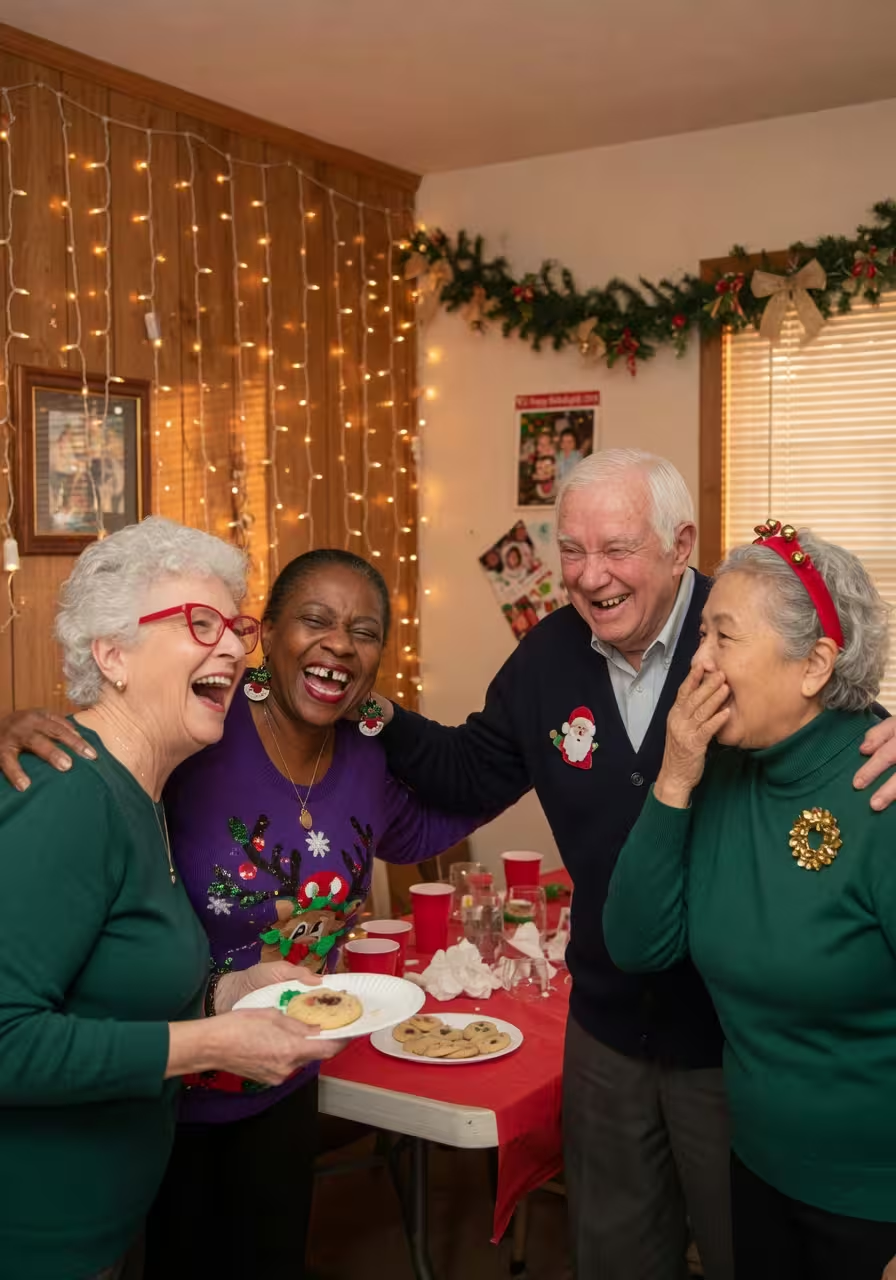
Drape battery-operated warm-white LED lights along one wall, around a window, or across a bookshelf. Residents help position clips or point out spots they like. The soft glow becomes your main decoration and lets you keep overhead fluorescents dimmed during the event.
A 20-foot battery strand runs about $12, and you can reuse it year after year—we stock warm-white string lights and garlands in our shop if you’re starting fresh. Keep table decor low and glare-free so it never overwhelms anyone.
Idea 13: Family video message station
Set up one tablet on a rolling cart and record 30-second greetings from out-of-town relatives ahead of time. Play the clips during dessert so everyone sees familiar faces without dealing with live video calls that lag or drop.
This is especially meaningful for residents whose families can’t make the trip. A short, pre-recorded message feels personal without the tech headache—and for a family hosting at home, it’s a sweet way to include relatives who couldn’t travel.
Idea 14: Budget option using dollar-store supplies
If your budget is tight—and whose isn’t—hit the dollar store for plastic tablecloths, red napkins, battery tea lights, and inexpensive candy canes. Total per-person cost stays under $3 when you skip custom favors and use the facility’s existing plates and cups.
You don’t need elaborate centerpieces. A bowl of clementines and a sprig of evergreen from the yard does the job.
Idea 15: Elevated option with live musician
If you’ve got room in the activity budget, hire a local acoustic guitarist or pianist for a one-hour set of familiar tunes—”White Christmas,” “I’ll Be Home for Christmas,” “Have Yourself a Merry Little Christmas.”
Cost typically runs $150 to $200 for assisted-living events booked through community bulletin boards or local booking apps. Live music changes the whole vibe—it’s warm, it’s nostalgic, and it gives people something to focus on that isn’t a screen.
Idea 16: Quick end-of-party thank-you cards
Place pre-addressed envelopes and large-print thank-you notes at each seat. Residents check a box (“Thank you for volunteering,” “Thank you for visiting”) or add a single signature before leaving. Staff mails them the next day to volunteers, activity coordinators, or family members who helped set up.
It’s a small gesture, but it gives residents a way to participate in gratitude, which matters more than you’d think.
Common mistakes to avoid
Skip the long speeches—nobody’s energy holds up for a ten-minute welcome address, and complicated game rules that require standing or rapid movement just create confusion and frustration.
Check dietary lists before you serve anything. No nuts, whole grapes, popcorn, or chewy candies unless you’ve cleared it with nursing staff. Choking hazards are real, and liability aside, it’s just not worth the risk.
End the event 15 minutes earlier than you think you need to. If you planned for two hours, wrap at 1:45. Fatigue hits fast, and you want people leaving on a high note—not because they’re too tired to stay.
And one more thing: don’t over-decorate. Too much visual stimulation—flashing lights, loud patterns, crowded tables—can be overwhelming, especially for residents with dementia or sensory processing issues. Keep it simple, keep it cozy, and let the music and the people do the work.
If you’re planning events for other groups and want fresh inspiration, our adult party ideas offer a different angle that might spark something useful here too. The goal isn’t to recreate a magazine spread. It’s to create a couple of hours where people feel seen, included, and maybe just a little bit festive. That’s the win.